Average sizes and life expectancy for this breed:
 47-48 cm
 20-25 kg
 10-14+ years
Originating in Germany, the Bavarian Mountain Hound is a sophisticated breed, highly prized for their scenting skills in the field. These elegant dogs are virtually unknown in the United Kingdom, but they are popular in other regions of Europe, such as the Czech Republic and Slovakia. There are known as Bayerischer Gebirgsschweißhund in their native Germany.
The Bavarian Mountain Hound is an even-tempered dog breed that is devoted to family members. They can appear aloof towards strangers, but they are rarely aggressive and will just watch from a distance and observe.
These graceful dogs adore children and will demand love and attention from everyone in their family. They do not like being left alone for long periods, so they need a household where someone will be home for most of the day.
The Bavarian Mountain Hound requires a lot of daily exercise as they have high stamina. This makes them suitable jogging or running partners. These active dogs need to be kept busy through physical and mental stimulation. Plenty of outdoor activities and access to a large, enclosed garden will help this breed to thrive.
See available puppies


 Registration:
KC, AKC, FCI
Registration:
KC, AKC, FCI  Country of Origin: Germany
 Size: Medium
 Coat: Short
 Colours: Deer red, tan, or fawn
 Temperament: Loyal, even-tempered, calm, affectionate, self-assured


Originally bred in Bavaria, Germany, the Bavarian Mountain Hound was created to track wounded prey in mountain regions. In the 19th century, new hunting methods using firearms developed. So, hunters needed a dog breed that could track and retrieve prey over long distances. It was Baron Karg-Bebenburg Reichenhall who decided to breed the Mountain Scent Hound with Hanoverian Hounds in the 1870s, to create the more streamlined Bavarian Mountain Dog. These dogs had high endurance and could work on more challenging, mountainous terrain.
Bavarian Mountain Hounds quickly became known for their devotion and loyalty to their human companions. They were also highly sought after by hunters because of their strength, stamina, agility, and ability to work on harsh terrains. In fact, their scent ability was so impressive that they could distinguish between the injured game they were hunting and other animals of the same species. The Club for Bavarian Mountain Scent Hounds was founded in 1912 in Munich, Germany.
The United Kennel Club recognised the breed in 1996. However, they weren’t added to the Foundation Stock Service of the American Kennel Club until 20 years later. Today, the breed is still very rare in the UK and America, but they are beloved by families across many countries in Europe, including their native Germany.


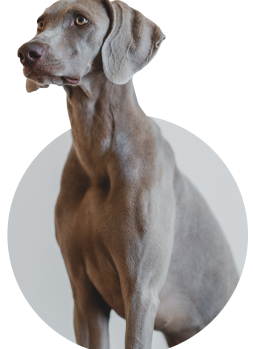
These athletic dogs are well-balanced but lightly built for a hound. Yet they are still very powerful. These are medium-sized hounds that are slightly longer in the body than they are tall. Their heads are quite broad with a well-defined stop. Their muzzles are broad but never pointed. Their noses can be dark red or black in colour with wide nostrils.
Their medium-sized eyes are round, and either dark brown or hazel in colour, with a very alert expression. They have heavy ears that are set moderately high on the head with rounded tips. They hang close and flat to the head. Their jaws are strong with a perfect scissor bite.
These dogs have strong necks with the skin being a little looser on the throat. Their muscular chests are well-boned and they have well-laid-back shoulders. Their front legs are straight and well-muscled. They have a strong and supple back with a nice topline that rises somewhat from the withers to the croup. Their oval-shaped ribcage is long and deep, reaching far back. Loins are nicely muscled, short, and broad with tucked-up bellies.
Their strong hindquarters are well-muscled and show a good amount of bone. They have back legs that are strong and well-muscled. Their oval-shaped feet have well-arched, tight toes and well-cushioned, pigmented pads. Their nails can be either black or brown in colour. These dogs have moderately long tails that are set high. They are carried level with the back or slightly lower.
The Bavarian Mountain Hound’s coat is thick, dense, and lies flat on the body. The hair is finer on the head and ears. The colours accepted for the Kennel Club registration are deer red, tan, or fawn. All these colours can have the addition of black or brindle hairs. The back and the tail are generally richer in colour, whereas the muzzle and leathers are darker in colour. A small, lighter patch on the chest is permissible under the breed standard.
Known to be placid and highly devoted to their human companions, Bavarian Mountain Hounds are highly prized, not only for their scenting abilities, but also their sweet and affectionate characters. They tend to be cautious around strangers, but they rarely show any aggression. Early socialisation is essential to raise a well-balanced, confident dog.
Bavarian Mountain Hounds have earned a reputation for being among the best-scenting dogs in the world. They have a tremendous amount of stamina and dedication to their fieldwork. These highly loyal dogs are an excellent choice as canine companions and family pets, given that their high exercise and mental stimulation needs are attended to regularly.
These dogs do not like being left alone for long periods. And because they form strong bonds with their families, they can suffer from separation anxiety. So, if you are out most of the time, the Bavarian Mountain Hound may not be the best choice for you.
Furthermore, these dogs need an owner that understands their needs and can be consistent and firm with training. Without proper training, the Bavarian Mountain Hound may show their dominant side and develop unwanted behaviours. Regular exercise, affection, and training are essential for this breed.
Bavarian Mountain Hounds have a very strong prey drive. Because of this, you have to keep an eye on them when out on walks, especially when there are other small animals in the area. A large, enclosed garden is a great way for them to let off steam without the worry of them dashing off once they get a whiff of an enticing scent. Bavarian Mountain Hounds are not suitable for apartment living.
These dogs are hard-working and intense. However, they can also be very playful and mischievous. These dogs have limitless energy and will remain devoted to you for life, as long as you ensure all their unique needs are met.


Like most hound dogs, the Bavarian Mountain Hounds’ training and socialisation should start as early as possible. In addition, a lot of patience, understanding, and consistency are the keys to successfully training these active dogs. They can be stubborn at times, but positive reinforcement coupled with short, fun training sessions will work well for this breed. One of the most important aspects of training a Bavarian Mountain Hound is recall training because of their high predator drives. Avoid letting your dog off the lead in open spaces until they have been fully trained.
Introduce your Bavarian Mountain Hound to as many people, environments, situations, and other animals from a young age. This will help them to grow into gentle, confident, happy dogs. In addition, agility training is a great way to burn off some of their excess energy and their desire to be on the move.
These dogs are natural working dogs, so they respond well to clear commands. They are not suitable for first-time dog owners because they need someone that understands their unique needs. They were bred to be hunters and they remain so even today.
The Bavarian Mountain Hound is relatively easy to groom. Due to their short, glossy coat, a weekly brush is all that’s needed to keep them clean, mat-free, and in good condition. Saying that, these dogs are not good for allergy sufferers because they are known to be moderate shedders.
You should also make sure their ears are kept clean and dry because moisture can encourage the buildup of yeast which can lead to ear infections. Wipe the outer ears weekly with a clean cloth and a vet approved ear cleaner.
Regular dental hygiene is best to prevent tooth and gum disease. But twice a week brushing is adequate enough to get rid of any bacteria and tartar buildup. Ask for a recommendation from your vet on which dental products work best to clean your dog’s teeth, gums, tongue, and mouth.
Trim their nails once a month (or as needed) to keep them neat and in good condition. Make sure you do this often to prevent very long nails because these can be very uncomfortable for your Bavarian Mountain Hound.
Furthermore, check their body as you groom your dog for any wounds, inflammations, rashes, and other indicators that they may have an infection or underlying illness. Their eyes should be clean and clear without any discharge.
Introduce grooming to your Bavarian Mountain Hound as early as possible so they won’t feel stressed out by the experience. Make it a part of their training and don’t forget to offer rewards for good behaviour.


Bavarian Mountain Hounds can live for 14 or 15 years if they are given adequate care by someone who understands their needs. These dogs are still fairly rare in the UK so look for a licensed breeder to ensure they have been well socialised and weaned. A good breeder will also perform DNA tests on your pup to check for any underlying health issues.
These active dogs are known to be a healthy breed. However, Bavarian Mountain Hounds can develop some of these health conditions below:
Bavarian Mountain Hounds are known to get along well with children of all ages. But they are probably best for older children who understand how to approach and interact with these agile dogs. With that said, this breed can be an excellent playmate and active canine companion not only for the children but for the rest of the family.
If you have other pets, like another dog or cat, the Bavarian Mountain Hound can get along with them if they are introduced gradually, calmly, and in a controlled environment. Early socialization will definitely help to make the process easier.
However, these dogs have a high predatory drive that's embedded in their genes. So, they should not be left around smaller animals.

We can connect you with Breeders that are specialized in this particular breed.
See available puppies

Need some advice?
Whether you're a first time pet owner, an experienced pet owner, a new or long-time breeder, or just curious about pets, we've got you covered!
January 17, 2024
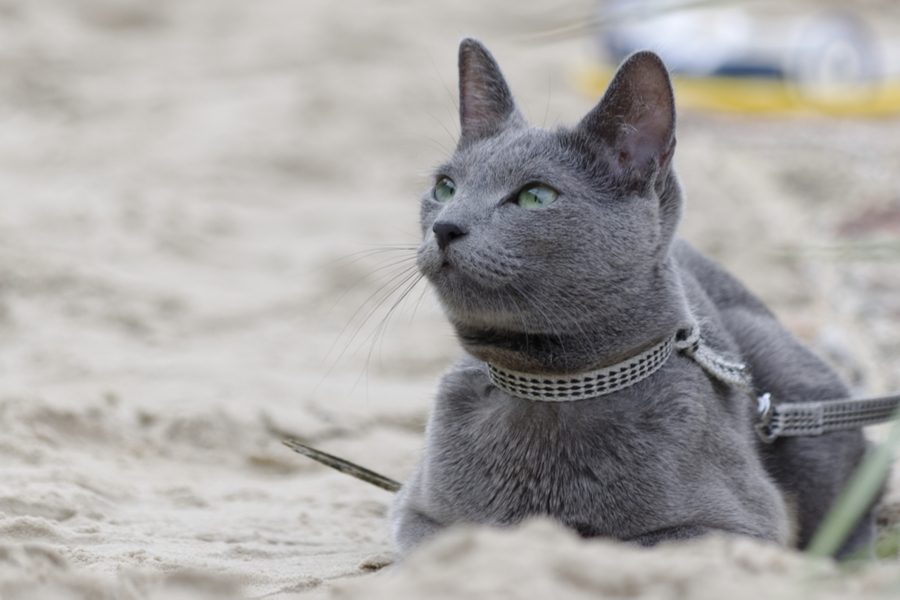
What Is The Personality Of Russian Blue Cats?
Russian Blue cats are most known for their distinctive shimmery blue-silver coat and piercing green eyes. However, this breed’s calm and gentle temperament is what makes them shine the most in the feline world.
January 17, 2024
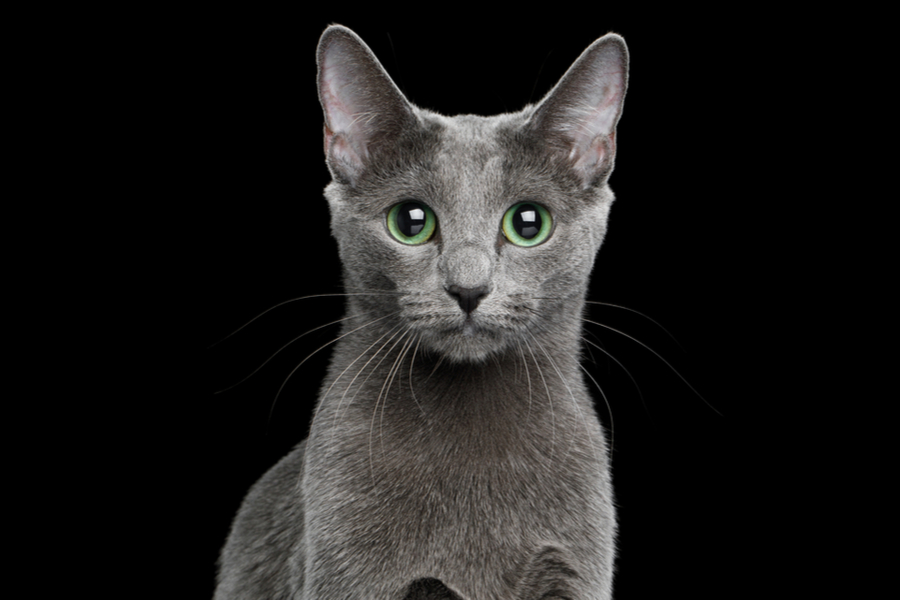
10 Facts About Russian Blue Cat Breed
Russian Blues are one of the most aesthetically stunning cat breeds, with a gorgeous plush silvery coat and vibrant green eyes. However, it’s not only their appearance that is beautiful; their nature is too.
January 17, 2024
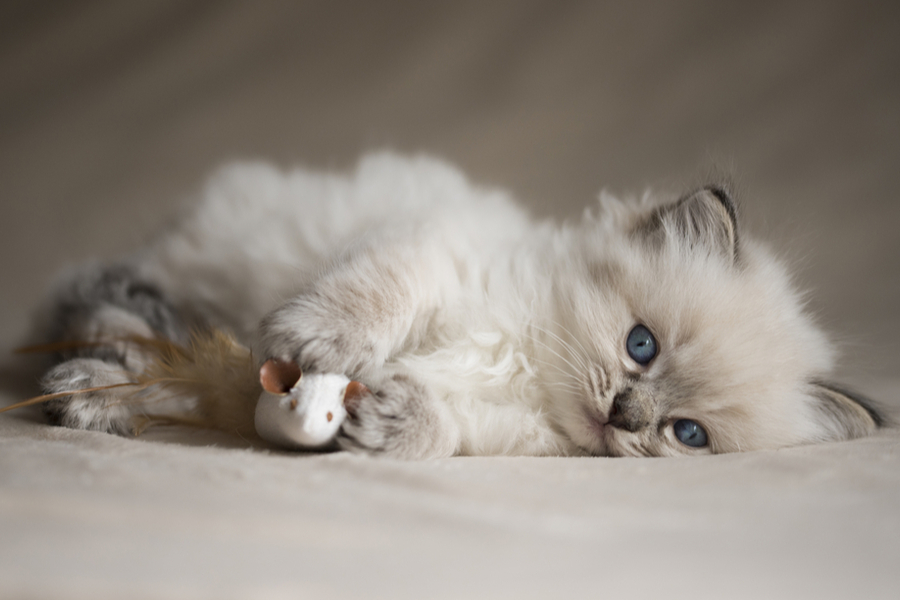
How To Choose The Right Cat Breed for You
Cats can make the most fantastic animal companions; they are adorable, friendly, and loving. However, not all felines are created equal. There are many different breeds, of which each has its unique personality traits.
Need some help?
Contact us to speak to our friendly advisor, who will gladly help you find your dream pet!


Join the community!



We are registered in England and Wales under registration number 12568840,
and our registered office is at 58-60 Kensington Church Street, W8 4DB London, England.
© 2023 The Pedigree Paws

 +447827755111
 For Breeders

