Average sizes and life expectancy for this breed:
 68-85 cm
 27-48 kg
 10-12+ years
Developed in Russia as a hunting and coursing dog breed, the Borzoi was known to hunt in teams to go after foxes, wolves, and rabbits. Then, they became famous as canine companions for aristocracy and royalty all over Europe.
Borzoi are highly prized for their sweet dispositions and grace. They are also known for their speed in contrast with their mellow and easygoing personalities. These active dogs enjoy a quick dash to long-distance running but also love to curl up on the couch when the mood strikes them.
Even with their regal appearance and relaxed character, this breed is not just a showpiece. Known for having a mind of their own, the Borzoi adores and enjoys human companionship. However, these affectionate dogs are not ideal for those individuals who are away from home for long periods. Also, if you can’t provide for their intense grooming needs, the Borzoi may not be the best choice for you. These dogs shed profusely. While adult Borzoi dogs are gentle, puppies are very enthusiastic. They are known to get along well with children of all ages but they can be timid around strangers. Furthermore, because of their large size, they may be better off in homes with older children.
These athletic dogs do well in canine sports. Not only are they beautiful in the show ring, but they can compete well in obedience, rally, and agility. But the Borzoi shines the best in lure coursing fields because it is their natural instinct to chase. In addition, these high-energy dogs are sometimes utilized in open field coursing to hunt jackrabbits and protect livestock against coyotes.
Today, they are no longer just a royal hunting companion. With their gentleness and sweetness, they excel now as family pets and canine companions.
See available puppies


 Registration:
KC, AKC, FCI
Registration:
KC, AKC, FCI  Country of Origin: Russia
 Size: Large
 Coat: Long
 Colours: Various, including red, white, silver sable, and blue brindle
 Temperament: Affectionate, charming, independent, loyal, gentle, intelligent, easygoing


The Borzois’ exact origins remain a mystery. However, there are people who believed that the breed was bred and developed as far back as the 9th and 10th centuries and that the Saluki may have been used to produce these graceful, elegant, yet extremely fast sighthounds.
What is known is that these sophisticated dogs are Russia’s most famous hound and that Borzoi dogs were utilised during the 17th century to hunt wolves. A Russian Duke first imported several of these sighthounds after travelling to Arabia. However, the dogs were not strong enough to survive the country’s harsh winter climate. So, the Duke imported more, and he crossed these hounds with native breeds that are believed to have been the coursing hounds or shepherd dogs used by the Tatars.
Soon, the Borzoi became a popular gift given to European nobles and royals by the Czars of Russia. They became a favourite because of their calm, kind, and exotic appearance. Joseph Thomas travelled to Russia in 1903 on a quest to find the perfect Borzoi. He discovered these dogs in Woronza at kennels owned by His Royal Highness, the Grand Duke Nicholas of Tula and Artem Balderoff. J. Thomas imported some of these sighthounds, which became the foundation breeding stock of Borzoi in the United Kingdom and the other side of the Atlantic in America.
Unfortunately, in 1917, during the Russian Revolution, the Borzoi was seen as an accessory of the rich and noble, so many of them were killed. Good thing, the Borzoi dogs that were gifted to other royals and nobles from other countries survived, and so they didn’t vanish altogether after this revolution.
In the mid-1930s, the breed’s name was changed from Russian Wolfhound to Borzoi. Nowadays, these regal-looking, sophisticated hounds are a popular choice as pets and have garnered a large and loyal fanbase.


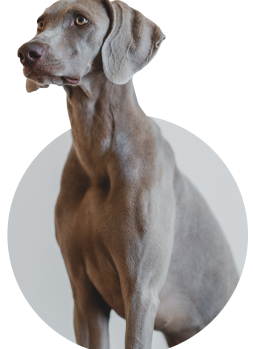
Aristocratic, graceful, and well-balanced, the Borzoi is a beautiful looking dog – to some, even exotic looking. They boast long, lean, and well-proportioned heads. Females tend to have slimmer heads than males but bone structure and veins can clearly be seen in both. The top of the skull is a little dome-shaped with a virtually unnoticeable stop. They have long, powerful, and deep jaws and their large noses are black in colour.
Their almond-shaped eyes are dark in colour and set well back without being too far apart. Rims are dark, which adds to their overall elegant and kind look. They have small, pointed, and delicate ears that are set high on the head but not too wide apart. They hold their ears folded back when at rest, and when working or alert, they are held upright with the tips sometimes falling forward.
Their necks are well-muscled, slightly arched, and quite long. Their shoulders are set well back and well-sloped. They are muscular and clean which showcases their impressive turn of power and speed. Their long front legs are straight.
These athletic dogs have narrow chests and ribs with a deep brisket which is more apparent in older Borzoi dogs. Their abdomen is well-tucked up and the breastbone is noticeable. Their powerful loins are well-muscled and broad. These dogs have strong hindquarters that are wider than their shoulders. This gives them their balance and stability. Their thighs are long and well-developed as well as their second thighs. They have long back legs that are nicely muscled, and their oval-shaped front feet have well-arched, closed toes. Their back feet are shorter and more hare-like with less of an arch. Their well-feathered tails are long and set low. They are carried with a graceful curve.
The Borzoi’s coat is silky and can either be straight, a little curly, or wavy. The hair is short on the head, ears, and front of the legs, but longer on the rest of the body. There is heavy feathering on the hindquarters, backs of the legs, chest, and tail. Borzoi dogs have a curly frill on their necks, which is more evident in males than their female counterparts.
Known for their beauty, grace, and elegance, Borzois have a calm and loving temperament to match their looks. However, they may not be the best choice for novice dog owners because they are intelligent, large dogs that can become a handful if they are not appropriately socialised and trained from a young age. They tend to be aloof with strangers but will happily dash off if they spot enticing prey in the distance. So, it’s best to keep them on a lead until fully trained and confident. Saying that, they are highly affectionate and devoted to their owners, making them wonderful companions for active families that spend a lot of time at home. These dogs crave affection so they should not be left alone for long periods of time.
It is also worth noting that these dogs have high body sensitivity. This means they are ultra-aware of touch as much as discomfort and pain. So, they might react with lightning reflexes if startled or grabbed unexpectedly. This can be controlled by putting them on a lead, but great care must be taken to correct them.
As companions, Borzoi can range from calm and sensible to bouncy and whimsical depending on their mood. However, they always carry themselves with an impressive grace that is unique to this breed.


These beautiful dogs are intelligent. But, they are known to be a little challenging to train due to their stubborn streak and their strong instinct to take off at a moment's notice! However, in the right hands and with the correct amount of education, these large dogs can be trained successfully. Patience and persistence are the keys to training this breed. Recall training is essential in case they dash off, so it's advisable to keep them on a lead when out for walks in the countryside.
Due to their sensitive natures, positive reinforcement training works best for this breed. Start off with short sessions and slowly build up as your dog grows in confidence. Find a quiet place to train your Borzoi to prevent them from becoming too distracted by every sight and sound. As mentioned above, agility and coursing activities are a great way to entertain these dogs and teach them to listen to commands.
These dogs are fairly high maintenance when it comes to grooming. Their long coats need to be brushed thoroughly at least 2-3 times a week to prevent mats and tangles. Many owners opt to get their Borzoi professionally groomed regularly, especially because they are prone to shedding excessively. Also, the hair between the paw pads needs to be frequently trimmed to avoid it from balling up during colder and wetter weather because this can make walking or running uncomfortable.
Check their ears regularly to make sure they are kept dry and free of any dirt or foreign objects. Clean them once a week using a clean cotton wool ball or clean cloth moistened with a vet-approved ear cleaner. Ear infections can be difficult to clear up if they are left to fester, so keep an eye out for any potential symptoms including redness, swelling, and behavioural changes such as excessive ear scratching.
Brushing their teeth daily is still the best way to avert tooth and gum disease and bad breath. Though, twice a week brushing is good enough to prevent any tartar or bacteria from multiplying. Ask your vet about the best products that will efficiently clean your dog's teeth, mouth, gums, and tongue.
Your dog’s nails must be trimmed as needed. This way, their nails will be in good physical condition. Make sure that you do this regularly to avoid very long nails because these can be very painful and uncomfortable for your Borzoi. While you meticulously do this, check their paw pads to ensure they are dirt and injury-free.
Also, examine the whole body while grooming your Borzoi for any potential signs of infection or illness such as rashes, wounds, and swellings. Their eyes should be clean, clear, and free of any redness, irritation, or discharge.


Borzois can live long, healthy lives as long as they receive appropriate care which includes, training, affection, exercise, and are fed a high-quality diet that suits their age and unique needs. Saying that, only purchase puppies from licensed breeders to ensure they have been properly weaned, socialised, and cared for. Good breeders will also DNA check your pup for any health issues.
These large sighthounds may develop some of the conditions listed below:
In addition, it’s worth noting that the Borzoi (like all sighthounds) is more sensitive to anaesthesia and other drugs than other breeds. So, it's always worth speaking to your vet if you’re unsure.
The Borzoi is a large, sensitive dog breed that doesn’t respond well to rough handling. So, they are better suited to homes with older children who understand how to appropriately interact with and handle a dog. Remember to always supervise all interactions between a dog and a child to prevent any incidents.
Borzoi have a strong prey drive, so they may see smaller pets like cats and rabbits as fair game! They can get on with other dogs but remember to introduce new animals gradually and with care for best results.

We can connect you with Breeders that are specialized in this particular breed.
See available puppies

Need some advice?
Whether you're a first time pet owner, an experienced pet owner, a new or long-time breeder, or just curious about pets, we've got you covered!
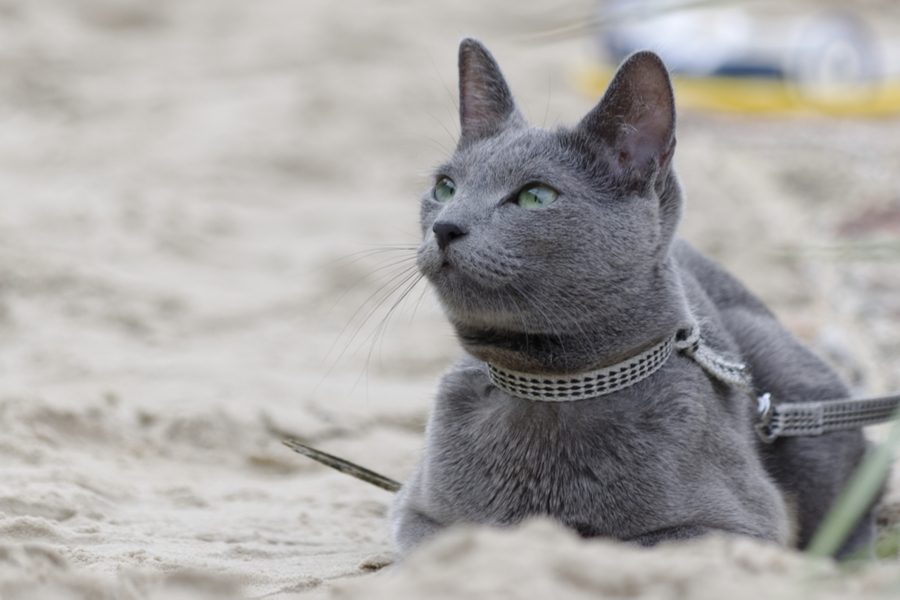
January 17, 2024
What Is The Personality Of Russian Blue Cats?
Russian Blue cats are most known for their distinctive shimmery blue-silver coat and piercing green eyes. However, this breed’s calm and gentle temperament is what makes them shine the most in the feline world.
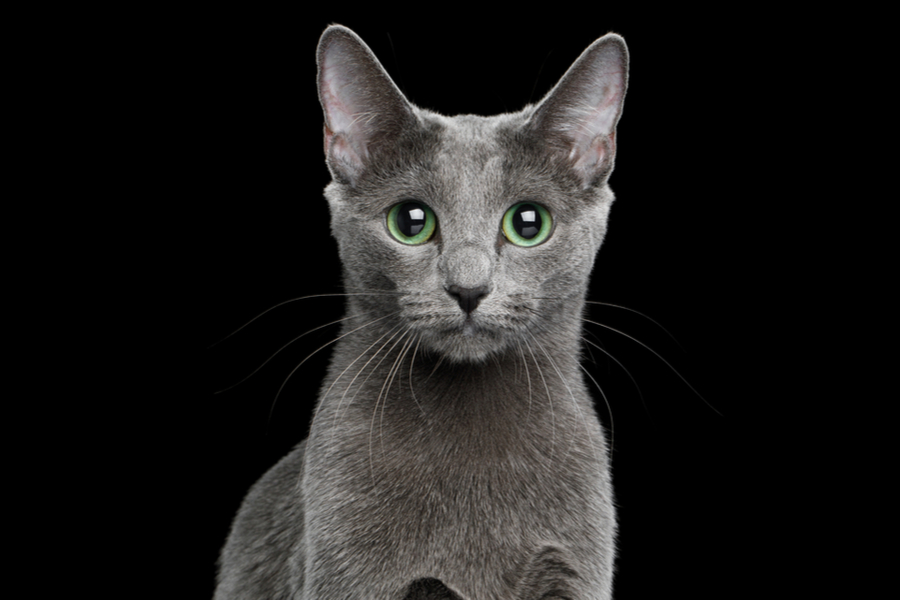
January 17, 2024
10 Facts About Russian Blue Cat Breed
Russian Blues are one of the most aesthetically stunning cat breeds, with a gorgeous plush silvery coat and vibrant green eyes. However, it’s not only their appearance that is beautiful; their nature is too.
January 17, 2024
How To Choose The Right Cat Breed for You
Cats can make the most fantastic animal companions; they are adorable, friendly, and loving. However, not all felines are created equal. There are many different breeds, of which each has its unique personality traits.
Need some help?
Contact us to speak to our friendly advisor, who will gladly help you find your dream pet!


Join the community!



We are registered in England and Wales under registration number 12568840,
and our registered office is at 58-60 Kensington Church Street, W8 4DB London, England.
© 2023 The Pedigree Paws

 +447827755111
 For Breeders

