Average sizes and life expectancy for this breed:
 55-66 cm
 25-41 kg
 10-12+ years
Known as a hunting dog breed in Italy, the Bracco Italiano also makes an affectionate and charming canine companion. Their long ears, soulful expressions, and droopy lips are some of their most defining and endearing characteristics compared to other gundog breeds. They are thought to be an ancient breed that dates back to the 4th or 5th century B.C. The Bracco Italiano is also known as The Italian Pointing Dog, Italian Pointer, and Bracco.
Bracco Italianos are intelligent dogs with a tremendous amount of energy. They are well-suited to households with big yards, from single individuals to big families with children. However, note that Bracco Italianos are not natural watchdogs but will still let their owners know if they sense a change in their surroundings. If you wish to have an energetic, devoted dog this breed may be the right one for you, as long as you have the time and commitment to devote to their mental and physical stimulation needs.
See available puppies


 Registration:
KC, AKC, FCI
Registration:
KC, AKC, FCI  Country of Origin: Italy
 Size: Large
 Coat: Short
 Colours: Various, including white, white with orange, and white with amber
 Temperament: Affectionate, enthusiastic, intelligent, docile, loyal, diligent worker


Paintings depict dogs similar in appearance to the Bracco Italiano that date back to the 4th century. But they were recognised as a distinctive breed in their native Italy back in the Middle Ages. Many experts believe that they originated as a cross between the Segugio Italiano and the Asiatic Mastiff. However, some think that the breed has Persian Mastiff, Molossus, and Egyptian Hounds in their lineage. Moreover, it is said that their white and orange colouring comes from the Piedmontese Pointer, which is a much lighter dog bred to work in mountainous regions of the country, and the white and chestnut colouring comes from the Lombard Pointer, which is a taller and heavier breed.
Bracco Italianos were bred by well-known wealthy families such as the Medicis and the Gonzagas, originally used to drive game into nets or flush out birds. They were always highly prized and were often given as gifts to foreign nobles and royals that included the Court of France. But it was during the Renaissance that the Bracco Italiano became a popular choice for a point-and-retrieve dog with the aristocracy in Italy.
During the late 19th century, the number of Bracco Italianos fell drastically until the early 20th century. But with the great efforts of Ferdinand Delour de Ferrabouc, an enthusiast and breeder, the Bracco Italiano breed was saved from vanishing completely. He created the first breed standard, but the final breed standard was only established in 1949 by the ENCI. A few months later, the Societa Amatori Bracco Italiano (SABI) was founded.
In 1988, the first Bracco Italiano called Zerbo was introduced to the United Kingdom by Jonathon and Liz Shaw. After that, they continued to import many other Bracco Italianos and have bred meticulously to safeguard their health. Today, the Bracco Italiano is still highly prized in Italy as a working gundog and in field trials.


Paintings depict dogs similar in appearance to the Bracco Italiano that date back to the 4th century. But they were recognised as a distinctive breed in their native Italy back in the Middle Ages. Many experts believe that they originated as a cross between the Segugio Italiano and the Asiatic Mastiff. However, some think that the breed has Persian Mastiff, Molossus, and Egyptian Hounds in their lineage. Moreover, it is said that their white and orange colouring comes from the Piedmontese Pointer, which is a much lighter dog bred to work in mountainous regions of the country, and the white and chestnut colouring comes from the Lombard Pointer, which is a taller and heavier breed.
Bracco Italianos were bred by well-known wealthy families such as the Medicis and the Gonzagas, originally used to drive game into nets or flush out birds. They were always highly prized and were often given as gifts to foreign nobles and royals that included the Court of France. But it was during the Renaissance that the Bracco Italiano became a popular choice for a point-and-retrieve dog with the aristocracy in Italy.
During the late 19th century, the number of Bracco Italianos fell drastically until the early 20th century. But with the great efforts of Ferdinand Delour de Ferrabouc, an enthusiast and breeder, the Bracco Italiano breed was saved from vanishing completely. He created the first breed standard, but the final breed standard was only established in 1949 by the ENCI. A few months later, the Societa Amatori Bracco Italiano (SABI) was founded.
In 1988, the first Bracco Italiano called Zerbo was introduced to the United Kingdom by Jonathon and Liz Shaw. After that, they continued to import many other Bracco Italianos and have bred meticulously to safeguard their health. Today, the Bracco Italiano is still highly prized in Italy as a working gundog and in field trials.
Appearance:
The Bracco Italiano is a large, strong-looking, and muscular dog that boasts a unique angular head and long pendulous ears, similar to the Basset Hound or the Bloodhound. Their distinctive heads are narrow and long with lean cheeks and good width to the foreface. The occiput is very pronounced with a slight stop and a median line that reaches right to their mid-skull. Their straight muzzles are deep and a bit arched, which gives them a slight “Roman nose”. They are well-chiselled below the eyes and the corners of their lips are well-marked but never pendulous.
Their oval-shaped eyes have a very soft look about them, making them appear very soulful. The colouring is either dark ochre or brown, depending on coat colour. Their ears are set level to the corner of their eyes, and the leather is long, supple, and folded inwards. These dogs have strong jaws with perfect scissor bites.
The neck of the Bracco Italiano is powerful, well-rounded, and a little short, but it is wider at the shoulders. Their shoulders are strong, long, well-muscled, and well laid-back. Their withers are well-defined, with the top of their shoulder blades set well apart. Front legs are powerful, straight and show well-defined tendons.
Their almost square body has a deep, broad chest and well-sprung ribs. Their loins are somewhat arched, short, wide, and very well-muscled. Their topline slopes gradually from the withers to the middle of the back before climbing to a broad and muscular croup. These dogs have bellies that are a little tucked up, which adds to their powerful and athletic appearance.
Their muscular hindquarters are powerful, with long, well-developed thighs and robust back legs. Their feet are somewhat oval-shaped with well-arched and strong toes. Nails match their coat colour. They have single or double dewclaws, which are both acceptable as a breed standard. The tail was previously customarily docked. It is set a bit low and carried down with a slight curve.
The Bracco Italiano has a dense, short, and glossy coat. It is shorter and finer around the head, ears, and the front of the legs and feet. The pigment of their skin can be anything from pale pink to dark brown to match the coat colour.
Accepted coat colours of the breed according to the UK Kennel Club breed standard are as follows: White, White with orange markings, White with amber markings, White with chestnut markings and Roan with solid markings.
A symmetrical face mask is preferred but the absence of this is not classed as a fault.
The Bracco Italiano is a real gentle giant; loyal and very devoted to their families. They thrive on being around people and adore children of all ages, so they make excellent family pets and canine companions.
It is crucial for the Braco Italiano to know their place in the “pack” as this will give them guidance and direction. Because of their activeness and high energy, they need to be kept busy physically and mentally. They need lots of outdoor time and love to be involved in interactive games with their families. This dog breed should be given as much “off the lead” time as possible. Just ensure you are in a safe environment and they have been fully recall trained. Letting them run free in a well-fenced backyard is ideal for this breed.
Note that the Bracco Italiano can have a stubborn streak, so their education must start early. Introduce them to many new situations, new people, and other animals from a young age as possible for them to grow up into well-rounded, confident dogs.
They are a naturally calm breed, despite their high energy. They will generally stay by your side and are not known to be big barkers.


The Bracco Italiano’s training must start at puppyhood for them to grow up into well-balanced, well-rounded, and obedient dogs. Their training must be fair and consistent. They need to be handled with a firm yet gentle hand, so they are best suited to more experienced owners. Because they are bright and eager to please, in the right hands, the Bracco Italiano is easy to train and quick to learn. However, these active dogs are known to be sensitive by nature, so they do not respond well to any type of harsh correction or handling.
Obedience training is a must for this breed. Because without the correct guidance and education, Bracco Italianos may start to show a more dominant side. They do have a stubborn streak so repetition and positive reinforcement training are important.
They can sometimes suffer from separation anxiety so they are best suited to homes where someone is around for most of the day. They love a good snuggle with their favourite people when not playing or exercising.
The Bracco Italiano has a short, dense coat. This means they don't require much grooming to keep the coat clean and healthy. Weekly brushing is sufficient, but more frequent grooming would help to maintain the natural glossiness of the coat. As mentioned, these affectionate dogs love one-on-one contact with their human companion and would treat grooming sessions as a pleasant experience as long as you are gentle and use positive reinforcement methods.
Their ears must be checked regularly to ensure they are kept dry and free of any dirt or foreign substances. Clean them by using clean cotton or a cloth moistened with a vet-approved ear cleaner once a week or so, making sure not to push anything into the ear canal because this can cause damage. These dogs have long, pendulous ears which are prone to infection, so keep an eye out for any potential warning signs which can include redness or swelling. Your dog may also repeatedly shake their head or repeatedly scratch their ears. If you suspect an ear infection, get your pup to the vet as soon as possible because ear infections can be tricky to treat if left to fester.
Brushing their teeth every day is still the best way to prevent bad breath and tooth and gum disease. However, twice a week brushing is good enough to eliminate any tartar or bacteria build-up. Speak to your veterinarian about the products that will work best to effectively clean their mouth, gums, teeth, and tongue.
Their nails must be trimmed regularly. By doing this, you will help to keep them healthy and in good physical condition. Ensure that you do this regularly to stop their nails from growing too long because this can be painful. As you thoroughly do this, check their paw pads are dirt and injury-free.
Lastly, inspect their whole body while you clean and groom them for tender areas, wounds, or any other signs that your Bracco Italiano may have an infection or other health issue. Look into their eyes to make sure they are clean and clear without any redness or discharge.


The Bracco Italiano’s average life expectancy is between 11-14 years with proper care and handling, as well as high-quality nutrition and sufficient exercise. They are a hardy breed but can develop certain health issues, so you need to ensure you only buy from reputable breeders. Avoid buying a puppy online or from puppy mills. A good breeder will also DNA test your pup to check for any underlying or genetic health conditions that you need to be aware of.
The Bracco Italiano may develop some of the health issues below:
Hip Dysplasia – An inherited health condition where the thighbone does not fit firmly into the dog’s hip joint. Some dog breeds display pain and limping on one or both back legs, while others do not show outward signs of discomfort. However, long term, it can lead to arthritis or other joint issues.
These dogs are known to be calm and gentle, making them an excellent choice for families with children of all ages. Bracco Italianos adore children and love nothing more than being around them and being involved in what they do, whether they are playing or running around the backyard. However, adult supervision is still recommended to ensure that their interaction remains safe and no one gets hurt, especially considering that these are large, muscular dogs.
The Bracco Italiano can live happily with other dogs and animals in a household as long as they have grown up together and they have been socialised from a young. However, take extra care when your Bracco Italiano is around smaller prey animals as their hunting instinct may kick in.

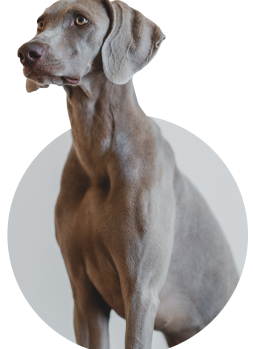
We can connect you with Breeders that are specialized in this particular breed.
See available puppies

Need some advice?
Whether you're a first time pet owner, an experienced pet owner, a new or long-time breeder, or just curious about pets, we've got you covered!
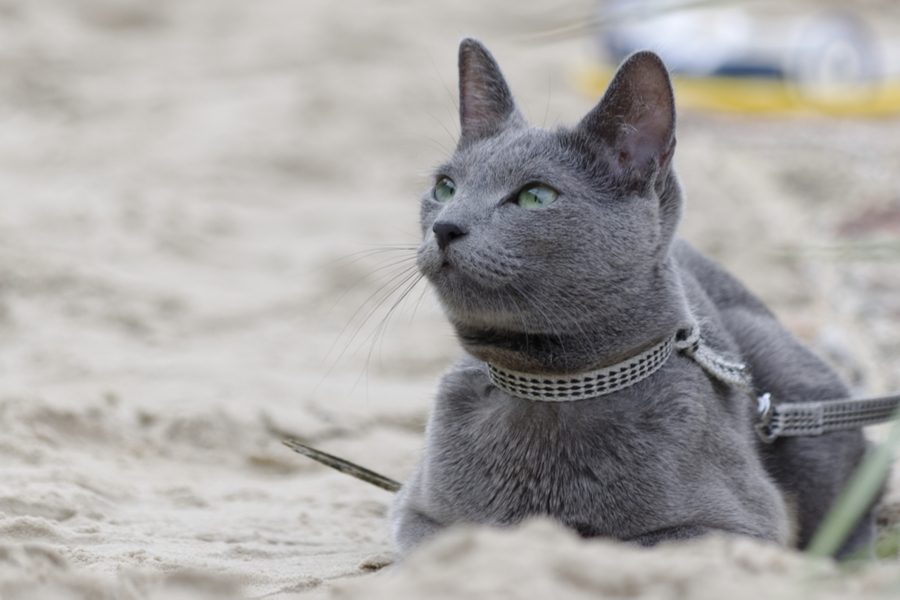
January 17, 2024
What Is The Personality Of Russian Blue Cats?
Russian Blue cats are most known for their distinctive shimmery blue-silver coat and piercing green eyes. However, this breed’s calm and gentle temperament is what makes them shine the most in the feline world.
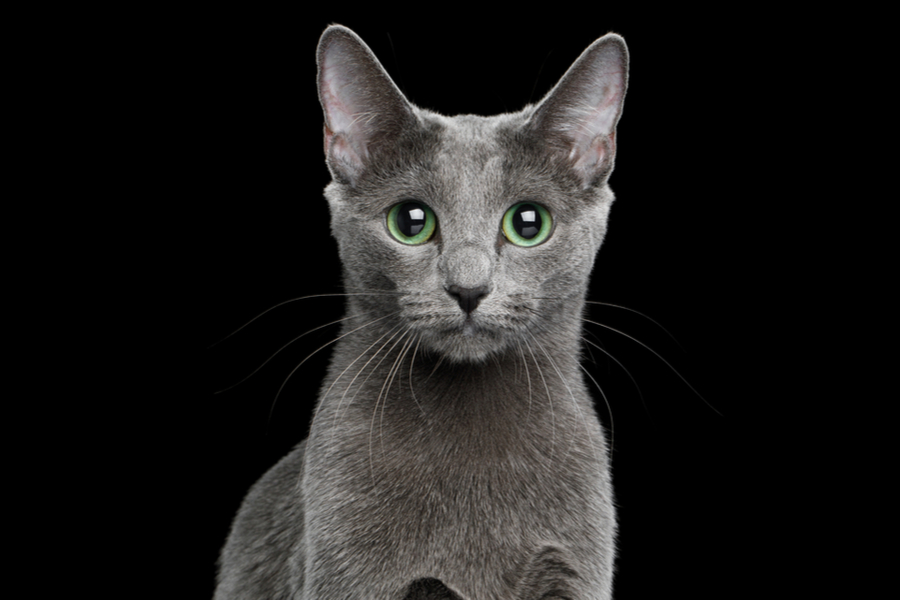
January 17, 2024
10 Facts About Russian Blue Cat Breed
Russian Blues are one of the most aesthetically stunning cat breeds, with a gorgeous plush silvery coat and vibrant green eyes. However, it’s not only their appearance that is beautiful; their nature is too.
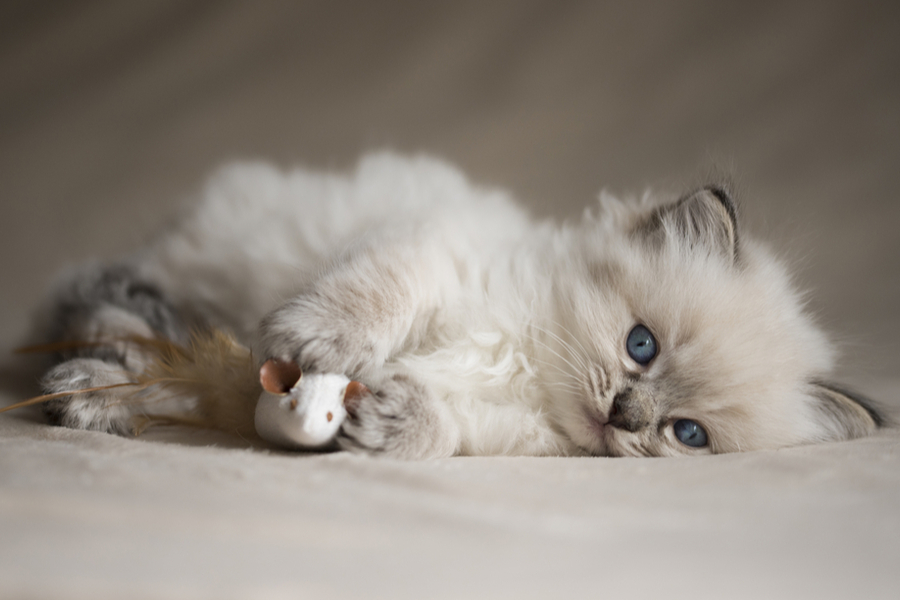
January 17, 2024
How To Choose The Right Cat Breed for You
Cats can make the most fantastic animal companions; they are adorable, friendly, and loving. However, not all felines are created equal. There are many different breeds, of which each has its unique personality traits.
Need some help?
Contact us to speak to our friendly advisor, who will gladly help you find your dream pet!


Join the community!




We are registered in England and Wales under registration number 12568840,
and our registered office is at 58-60 Kensington Church Street, W8 4DB London, England.
© 2023 The Pedigree Paws

 +447827755111
 For Breeders

